Stay Warm Safely: How to Use Propane Heaters Indoors
- 1. How Portable Propane Heaters Work
- 2. Types of Portable Propane Heaters
- 3. Key Indoor Safety Features
- 4. Ventilation Requirements for Indoor Use
- Best Ventilation Practices
- 5. Top 10 Portable Propane Heaters for Indoor Use
- 6. Real User Reviews
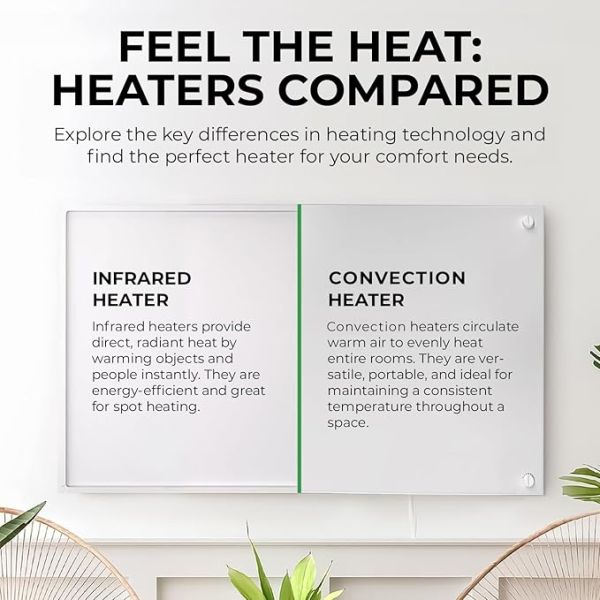
- 7. Comparison: Radiant vs. Convection Heaters
- 8. Indoor Air Quality and Carbon Monoxide Risks
- How to Stay Safe
- 9. Heater Efficiency and BTU Selection
- 10. Maintenance and Storage Tips
- 11. Comparison: Best Indoor vs. Outdoor Models
- 12. Top Safety Accessories to Pair with Propane Heaters
- 13. Comparing Prices and Value
- 14. Common Mistakes When Using Propane Heaters Indoors
- 15. Environment and Fuel Efficiency
- 16. Real-Life Scenarios
- 17. Expert Recommendations
- 18. Frequently Asked Questions
- 19. Maintenance Schedule
- 20. Final Thoughts
When temperatures drop and power outages strike, a portable propane heater can be a lifesaver. These heaters deliver instant warmth anywhere - from your living room to a garage or campsite. However, because they use combustible fuel, understanding indoor safety and proper ventilation is crucial.
In this comprehensive guide, we'll cover how portable propane heaters work, what makes them safe for indoor use, how to ensure proper airflow, and which models deliver the best performance. You'll also find detailed comparisons of the 10 best propane heaters, including their features, prices, and customer reviews.
1. How Portable Propane Heaters Work
A propane heater burns liquefied petroleum gas (LPG) from a tank, converting fuel into heat. The process releases carbon dioxide, water vapor, and trace gases.
| Component | Function |
|---|---|
| Burner | Combusts propane to generate heat |
| Ignition System | Starts combustion (manual, piezo, or electronic) |
| Regulator | Controls pressure from the propane tank |
| Safety Valves | Stop gas flow in emergencies |
| Heat Exchanger | Distributes heat evenly |
| Oxygen Depletion Sensor (ODS) | Shuts off heater if oxygen levels drop |
Modern propane heaters are highly efficient - converting up to 99% of fuel into usable heat when ventilated correctly.
2. Types of Portable Propane Heaters
| Type | Description | Best Use |
|---|---|---|
| Radiant Heaters | Emit infrared heat directly to people/objects | Garages, workshops |
| Convection Heaters | Warm air circulates naturally | Indoor spaces, rooms |
| Forced-Air Heaters | Use fans to push heated air quickly | Construction sites, large areas |
| Cabinet Heaters | Enclosed design with hidden tank | Living areas, semi-permanent setups |
| Tank-Top Heaters | Mount directly on propane tank | Outdoor use, camping, emergency heating |
3. Key Indoor Safety Features
Safety is the top concern when using propane indoors. Reputable models include multiple layers of protection:
| Safety Feature | Function |
|---|---|
| Oxygen Depletion Sensor (ODS) | Shuts off heater if oxygen drops below 18% |
| Tip-Over Switch | Cuts gas if unit falls |
| Overheat Protection | Turns off when internal temperature exceeds safe limits |
| Flame Failure Device (FFD) | Stops gas flow if flame goes out |
| CSA Certification | Ensures compliance with North American safety standards |
Always verify these features before purchasing - they are what separate indoor-safe heaters from dangerous ones.
4. Ventilation Requirements for Indoor Use
Even the safest propane heater needs adequate airflow. Without ventilation, carbon monoxide buildup can occur.
Best Ventilation Practices
-
Crack a window or door at least 1-2 inches open.
-
Keep ventilation grilles unobstructed.
-
Never use propane heaters in small sealed rooms or basements without airflow.
-
Avoid running the heater overnight unattended.
-
Install a carbon monoxide (CO) detector nearby.
Proper ventilation ensures that exhaust gases exit safely while fresh oxygen circulates into the space.
5. Top 10 Portable Propane Heaters for Indoor Use
| Model | Heat Output (BTU) | Area Coverage | Price (USD) | Safety Features | Rating |
|---|---|---|---|---|---|
| Mr. Heater F232000 Buddy | 9,000 | Up to 225 sq ft | $129 | ODS, tip-over switch | ★★★★★ |
| Dyna-Glo RMC-8000PGH | 10,000 | Up to 300 sq ft | $139 | Auto shut-off, ODS | ★★★★☆ |
| Mr. Heater Big Buddy MH18B | 18,000 | Up to 450 sq ft | $199 | Dual ODS sensors | ★★★★★ |
| Camco Olympian Wave-3 | 3,000 | Up to 130 sq ft | $240 | Catalytic heating, ODS | ★★★★☆ |
| Texsport Portable Propane Heater | 2,890 | Up to 100 sq ft | $89 | Safety grid, auto shut-off | ★★★★☆ |
| Dyna-Glo TT360DG | 40,000 | Up to 1,000 sq ft | $149 | Tip-over shutoff | ★★★★☆ |
| Mr. Heater Little Buddy MH4B | 3,800 | Up to 95 sq ft | $89 | ODS, automatic shut-off | ★★★★★ |
| Pro-Temp PT-40V-GFA | 40,000 | Up to 1,000 sq ft | $169 | Overheat protection | ★★★★☆ |
| Flame King YSNHT500 | 10,000 | Up to 250 sq ft | $119 | CSA-certified, tilt safety | ★★★★☆ |
| Martin Catalytic Propane Heater MH15T | 15,000 | Up to 350 sq ft | $195 | Thermostat control, ODS | ★★★★★ |
6. Real User Reviews
-
"The Mr. Heater Buddy keeps my cabin warm all winter. I love the tip-over safety and it shuts off automatically if oxygen drops."
-
"Camco's Wave-3 heater is silent and odorless - great for my RV."
-
"Big Buddy easily heats my 400 sq ft garage, but I always crack a window for airflow."
-
"The Dyna-Glo TT360DG is powerful! Works perfectly for my workshop."
7. Comparison: Radiant vs. Convection Heaters
| Feature | Radiant | Convection |
|---|---|---|
| Heating Method | Direct infrared rays | Circulating warm air |
| Speed | Instant heat | Gradual heat |
| Noise Level | Silent | Minimal fan noise |
| Best Use | Targeted areas | Whole-room heating |
For large indoor spaces, convection or forced-air heaters are more effective. For garages or small rooms, radiant heaters are more energy-efficient.
8. Indoor Air Quality and Carbon Monoxide Risks
Propane heaters release carbon dioxide (CO₂), and if oxygen is insufficient, carbon monoxide (CO) can form - a colorless, odorless, deadly gas.
How to Stay Safe
-
Use only indoor-rated propane heaters.
-
Keep CO detectors active near the heater.
-
Clean the burner regularly to ensure proper combustion.
-
Avoid blocking exhaust vents or intake openings.
-
Never refill propane cylinders indoors.
Signs of CO exposure: headache, dizziness, nausea, fatigue. If you notice symptoms, turn off the heater immediately and ventilate the area.
9. Heater Efficiency and BTU Selection
| Room Size (sq ft) | Recommended BTU Range |
|---|---|
| Up to 100 | 2,000-4,000 |
| 100-250 | 5,000-9,000 |
| 250-400 | 10,000-15,000 |
| 400-600 | 15,000-20,000 |
| 600-1000 | 25,000-40,000 |
Choosing the correct BTU prevents energy waste and overheating. For small rooms, 3,000-9,000 BTU heaters are ideal. For workshops or garages, go above 15,000 BTU.
10. Maintenance and Storage Tips
-
Inspect hoses and connections for cracks before use.
-
Clean dust filters monthly to prevent clogging.
-
Store heaters in dry, ventilated areas away from ignition sources.
-
Replace propane tanks with certified cylinders only.
-
Perform annual servicing for burners and regulators.
Proper maintenance extends the life of your heater and ensures continuous safe operation.
11. Comparison: Best Indoor vs. Outdoor Models
| Category | Indoor | Outdoor |
|---|---|---|
| Example | Mr. Heater Buddy | Dyna-Glo TT360DG |
| Ventilation Needed | Minimal | High airflow |
| Noise Level | Quiet | Moderate |
| Power Source | 1-lb or 20-lb tank | 20-lb+ tank |
| Safety Sensors | ODS, Tip-Over | Limited or none |
| Use Case | Home heating, RV | Camping, garage, job sites |
Never use outdoor-only heaters indoors - they lack safety features like ODS sensors.
12. Top Safety Accessories to Pair with Propane Heaters
| Accessory | Purpose | Price (USD) |
|---|---|---|
| Carbon Monoxide Detector | Detects CO gas buildup | $29 |
| Propane Hose Adapter (12 ft) | Connects to larger tanks safely | $22 |
| Propane Tank Gauge | Monitors remaining fuel | $15 |
| Heater Floor Mat | Protects surfaces from heat | $19 |
| Portable Fan | Improves ventilation | $25 |
These small additions significantly enhance safety and comfort.
13. Comparing Prices and Value
| Model | Price | Durability | Ease of Use | Value Score |
|---|---|---|---|---|
| Mr. Heater Buddy | $129 | High | Very Easy | 10/10 |
| Dyna-Glo TT360DG | $149 | High | Moderate | 9/10 |
| Texsport Portable | $89 | Medium | Very Easy | 8/10 |
| Camco Wave-3 | $240 | High | Moderate | 9/10 |
| Big Buddy MH18B | $199 | Very High | Easy | 10/10 |
14. Common Mistakes When Using Propane Heaters Indoors
-
Running heaters without ventilation.
-
Using non-CSA-certified devices indoors.
-
Leaving heaters unattended while sleeping.
-
Using too large a heater for a small room.
-
Not checking for propane leaks with soapy water.
Avoiding these mistakes prevents accidents and ensures long-term reliability.
15. Environment and Fuel Efficiency
Propane burns cleaner than many fossil fuels, producing 30-40% less CO₂ than gasoline or kerosene. It's considered a low-carbon alternative, and modern heaters maximize efficiency with improved combustion chambers and smart thermostats.
Eco tip: Choose heaters with catalytic technology - they burn propane more efficiently and emit less CO.
16. Real-Life Scenarios
-
Power Outages: Mr. Heater Buddy keeps families warm during storms.
-
Garage Work: Dyna-Glo heaters maintain comfortable workspace temps.
-
RV Travel: Camco Wave-3 provides consistent, silent heating.
-
Outdoor Events: Texsport Portable is perfect for tailgating or camping.
Each use case requires proper airflow and monitoring but shows how flexible propane heaters can be.
17. Expert Recommendations
-
For small rooms or emergency use: Mr. Heater Little Buddy
-
For medium spaces: Mr. Heater Buddy or Dyna-Glo RMC-8000PGH
-
For large spaces/garages: Big Buddy MH18B or Pro-Temp PT-40V
-
For RV/camping: Camco Wave-3 or Martin Catalytic
-
For whole-home emergency heat: LeakSmart System paired with CO detector
Always read manufacturer instructions before operation.
18. Frequently Asked Questions
Q: Are propane heaters safe indoors?
Yes, if the heater is specifically rated for indoor use and you maintain ventilation.
Q: Can I sleep with a propane heater running?
Not recommended. Even with safety sensors, it's best to turn it off before bed.
Q: How long does a 1-lb propane tank last?
Approximately 3-6 hours depending on BTU and heat setting.
Q: How do I know if my heater is leaking propane?
Mix soap and water, apply to joints - bubbles indicate a leak.
Q: What's better: catalytic or radiant propane heater?
Catalytic heaters are more efficient and silent, while radiant heaters deliver faster warmth.
19. Maintenance Schedule
| Frequency | Task |
|---|---|
| Weekly | Inspect hoses and ODS sensor |
| Monthly | Clean dust filters and burners |
| Seasonally | Replace propane tank and test CO detector |
| Yearly | Full inspection by certified technician |
20. Final Thoughts
Portable propane heaters combine power, flexibility, and reliability, making them ideal for home backup heating, workshops, or travel. However, safety is non-negotiable - always ensure proper ventilation, monitor for leaks, and use certified indoor-safe models.
With the right heater and precautions, propane heating can be both warm and worry-free, providing comfort through every cold spell.